
Textile Masterbatches:
Improving and Colouring Fabrics at the Fibre Stage Innovation is nothing new to the textile industry.
What Are Textile Masterbatches?
Types Of Textile Masterbatches
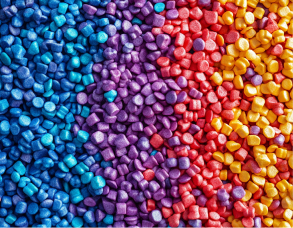
Colour Masterbatches
Titanium Dioxide (TiO₂)
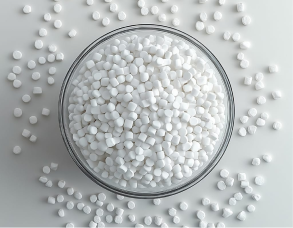
Titanium Dioxide (TiO₂) is used in white masterbatches to provide a pure white base, brightness, and opacity. Common applications include curtains, furnishings, hygiene products, and medical non-wovens.
Black Masterbatches
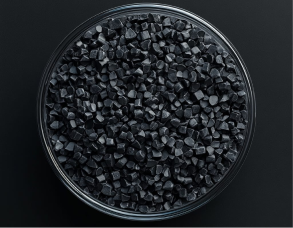
Usually made of carbon black, these pigments produce deep black hues that are resistant to ultraviolet light. Popular applications include protective fabrics, outdoor textiles, geotextiles, and automobile interiors.
Masterbatches with Additives
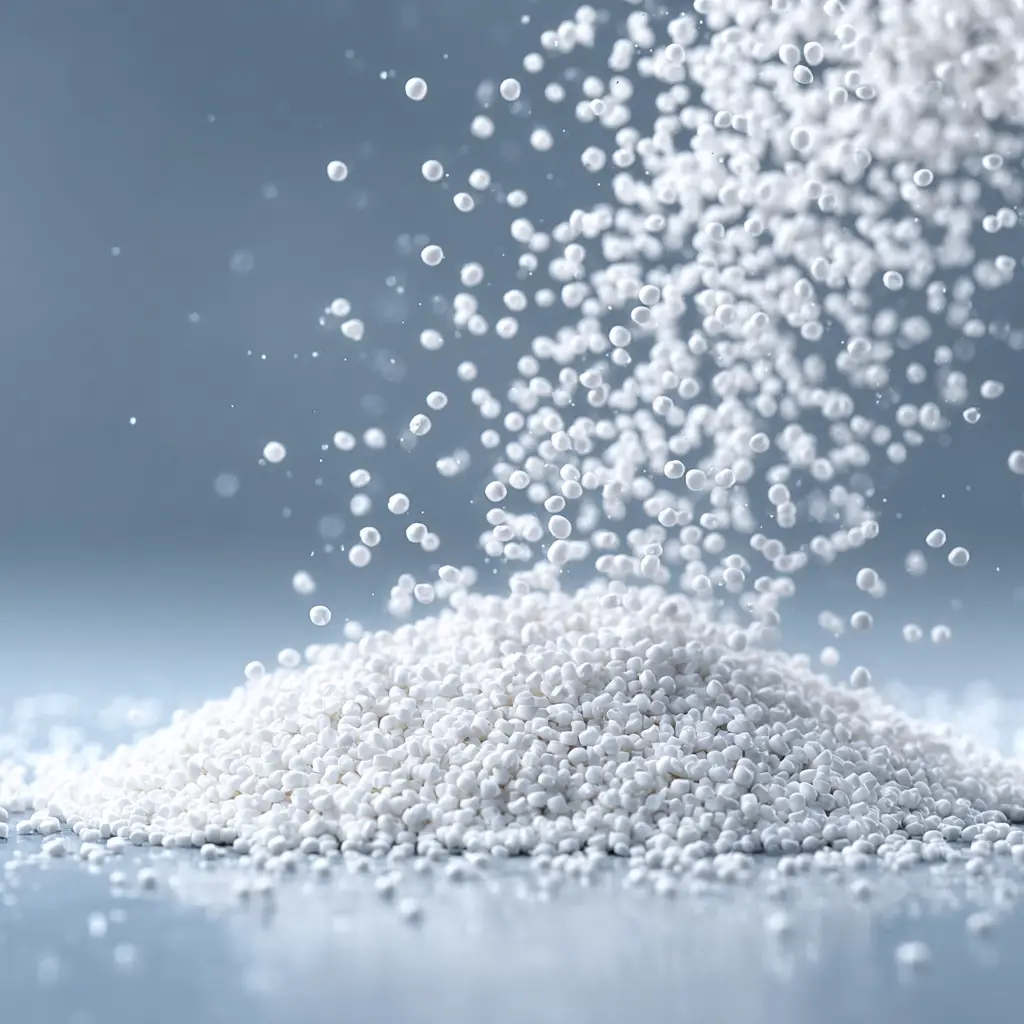
Masterbatches with Additives Improve fibre performance in addition to colour: UV stabilisers: Prevent sun damage to outdoor textiles. Antimicrobial Agents: Stop bacterial growth and odour in medical or athletic textiles. Flame Retardants: Increase the safety of protective clothing and home textiles. Enhance the whiteness and brightness of fabrics with optical brighteners. Moisture Control Agents: Give technical textiles and hygiene products hydrophobic or hydrophilic qualities.
Masterbatches of Fillers
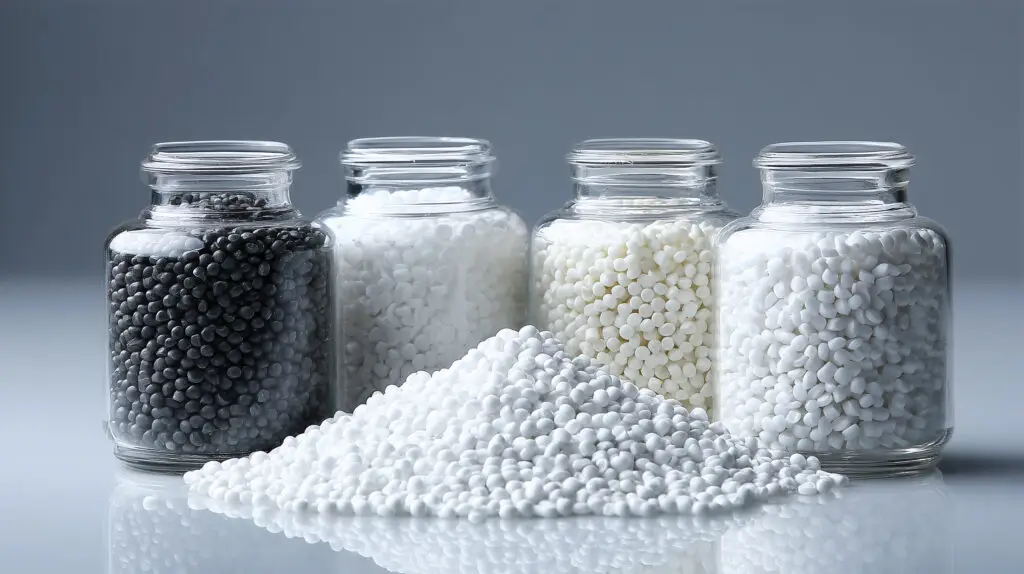
Masterbatches of Fillers include mineral fillers, such as calcium carbonate, to customise mechanical properties and maximise cost. Common applications include disposable goods, industrial packaging textiles, and non-wovens.
How Masterbatches Work – Boost Textile Quality
Excellent Colour Fastness
Cost-Effectiveness
Scalable Consistency
Common Uses of Masterbatches in Textiles
- Fashion and Sportswear – Deep long-lasting hues and practical advantages like odour control and sweat resistance.
- Furnishings for the Home – Upholstery, drapes, and carpets that don’t fade or wear out.Textiles for Medicine and Hygiene – Non-woven antibacterial materials for sanitary products, masks, and dresses.Automobile Interiors – Strong, UV-resistant textiles for headliners, trims, and seats. Awnings, protective textiles that can endure environmental stress, and geotextiles are examples of outdoor and technical textiles.
Myths Regarding Textile Masterbatches
Reality: They include performance features like flame retardancy and UV protection.
Reality: With today’s masterbatch technology, thousands of shades are achievable.
Reality: They are cost-effective due to the long-term savings from durability and process efficiency.
Fact: Since the colours are woven into the fibre, they are far more resilient than fabrics that have been dyed.